news
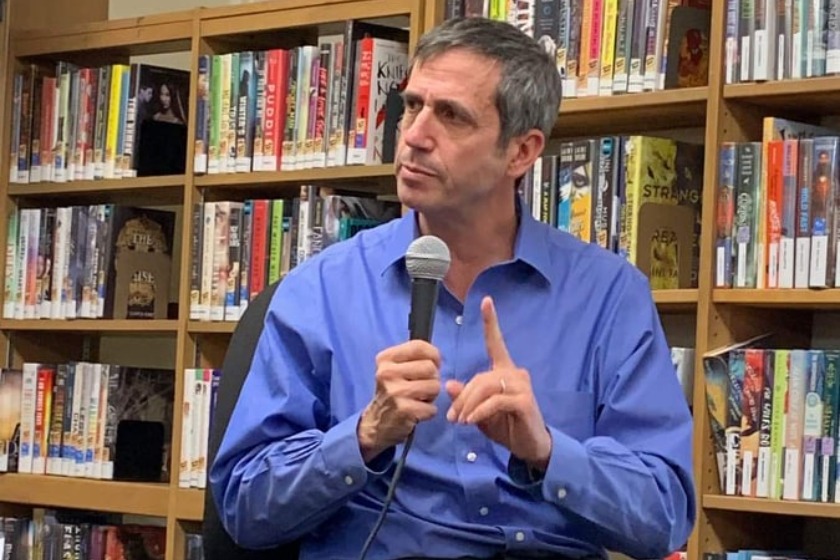
Lincoln Mitchell: I am not entirely convinced that Ivanishvili will fully remove himself from politics in Georgia
American analyst Lincoln Mitchell, who advised Georgian Dream in the 2012 elections, assesses Bidzina Ivanishvili's departure from politics along with Europetime. “Like many I am not entirely convinced that Ivanishvili will fully remove himself from politics in Georgia. The question, for me is whether Bidzina will be comfortable not saying or doing anything the first time he sees somebody in government make a decision he views as a mistake or if he sees the party stumbling politically. Additionally, many in the GD party and government are so accustomed to Ivanishvili being the most powerful force in Georgia that they may not believe that he is truly leaving politics, leading them to remain in contact with him, run ideas by him and the like. The macro-question for Georgia remains whether or not the country can break out of a now several decades long cycle of the consolidation and collapse of one party systems. The only way to break that cycle is to move to genuinely competitive politics. Ivanishvili’s decision is a step in that direction, but it is only a step. Additionally, anything that moves Georgia out of a politics dominated by a fight between Ivanishvili and Saakashvili is positive and Ivanishvili’s recent decision may help do that”, - said Mitchell to Europetime. Bidzina Ivanishvili announced his retirement from politics on January 11.
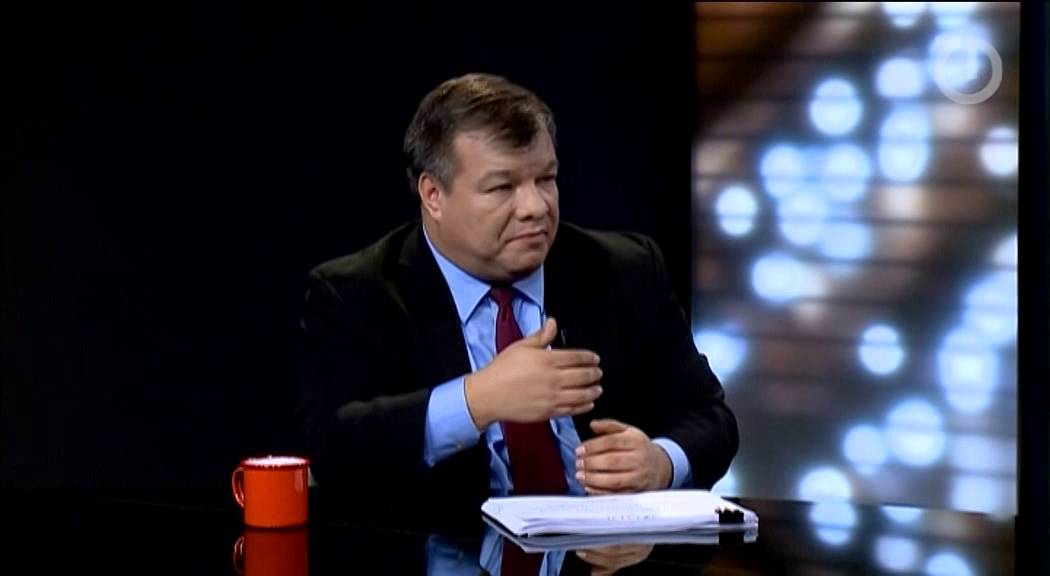
Luis Navarro commented on Bidzina Ivanishvili's statement of quitting politics
„Given Ivanishvili’s informal governance, it is difficult to assess what his declaration means. His prior resignation from the role of PM and party Chair in 2013, only meant his public withdrawal. His new “dream” of a non UNM opposition to the current govt suggests he is still very interested in politics“, - Luis Navarro, about Bidzina Ivanishvili quitting politics. „His resignation from the post of Prime Minister and party chairman in 2013 meant only leaving the post in public. His new "dream", of "National Movement" not to be an opposition force against the government, indicates that he is still very interested in politics. So we will see in the future how he handles the events“, - said Luis Navarro. So I think we will have to see how he defines this declaration in due time - stated Navarro in an interview with Europetime. Bidzina Ivanishvili, the head of Georgia’s ruling party said on Monday he was quitting politics.
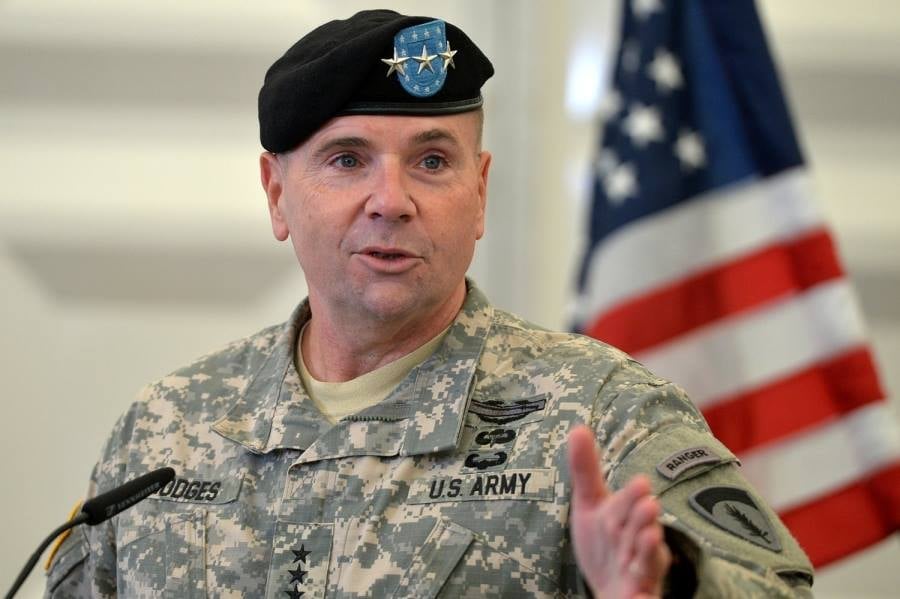
General Ben Hodges: without Anaklia and similar projects, Georgia will most likely be seen as just a part of the South Caucasus, under the influence of Russia and Iran
Former US Army Chief of Allied Land Command Lieutenant General Ben Hodges points to the need for Georgia to hold a public national debate on the country's strategic security. According to Hodges, this approach should include building societal resilience to resist the Kremlin influence and disinformation, as well as corrupting influence. "The Government of Georgia should acknowledge that Russia is interested only in domination of the South Caucasus," said Hodges. Given all the facts that have happened through Russia's direct or indirect intervention - conflicts, cybercrime, interference in elections or its role in hybrid wars - is it time for the West to develop a more unified policy and approach? Is the security of the Black Sea and Georgia the most important lever for this, and could this particular lever be granting MAP to Georgia and Ukraine, „Europetime“ spoke to Ben Hodges on these and other issues. _Mr. General, to sum up the year coming to an end, what do you think, the year full of challenges and crises has changed and what need has it shown us in terms of NATO and EU policies? That is, have these crises increased the need for a consolidated and coordinated policy, the prospects for the expansion of alliances (NATO, the EU) or, vice versa, they have created the trend for a more balanced and cautious policy? Georgia Should of course be in NATO already. But Georgia must decide for itself that it really wants this... And it must also have a public national debate about its own strategic security... it must be a whole of government approach.. And include building societal resilience to resis Kremlin influence and desinformation and corrupting influence. At the same time, the USA demons trate sustained strategic interest in Georgia, in the South Caucasus and the greater black sea region... To demonstrate to the Kremlin that this is ipmortant for us and that we will protect our friends as well as our interests. _You mentioned in an interview with our publication that Russia recognizes only force and, in general, the policy inspired by the motto "Do not irritate Russia" has repeatedly convinced us that it is wrong. In your opinion, given all the facts that have occurred through Russia's direct or indirect interference - conflicts, cybercrime, interference in the elections or its role in hybrid wars, is it time for the West to develop a more unified policy and approach? Is the security of the Black Sea and Georgia the most important lever for this, and could this particular lever be - granting Map to Georgia and Ukraine? Government of Georgia needs to acknowledge that Russia in interested only in domination of the South Caucasus for its own interest. What good has come to Georgia for its attempts to cooperate with Moscow these last 30 years. Are the young people of Georgia better off because of anything that Moscow has offered to do to help Georgia? All I can see is that 20% of Georgia is occupied by Russian troops and that now Russian troops are also in N-K/Azerbaijan as well as in bases in Armenia. And it seems to me that the Government of Georgia is too willing still to yield Kremlin pressure. Allowing Russian `Piece keepers` to fly thru Georgian airspace into Armenia is hard for me to understand. And the recent embrace of the so-called `Caspian Platform`, By the Government of Georgia is another puzzling step that undermines Georgian soverignty and gives the Kremlin even more influence in the Region, Along with Iran. Why is this good for Georgia? But is also Highlights the failure of USA to demonstrate sustained, strategic interest. So we are on the sidelines now. _The Government of Georgia states that the cooperation between Georgia and the United States has never been at such a high level as it is now. If this is the case, do you think the request of the Georgian government to the United States will be enough to increase the rotational forces in Georgia and strengthen the strategic infrastructure even in the format of partnership and training? Our embassy in Tbilisi has worked very hardand they continue a long line of distinguished American diplomats who have served there. But the us Georgia resist more fully the Kremlin`s influence. I do hope that we can improve in this area and that the Government of Georgia will also improve. I would particularly like to see us Government and Government of Georgia doing more to improve opportunities for private investment... And that will require a change of attitude in the Government of Georgia and in the Parliament. _The development and expansion of ports in Georgia is of strategic importance. The ongoing processes in the region have clearly shown us the significance of the Anaklia project and foreign investments, which is a guarantee of both security and development. In your opinion, will the good will of the Georgian authorities be enough to bring the project back on the agenda? No, Not at all. I have Heard several statements from Govt of Georgia that Anaklia is a priority...But nothing has actually been done. So, I am not impressed at all that the Government of Georgia Really wants this port. But to me it would be such an obviously valuable asset for Georgia and would enable Georgia to finally become the portal between EURASIA and EUROPE, to firmly integrate Georgia into Europe and Become a logisticts hub to which Europe and the USA would invest significiant resourses... But that`s exactly why the Kremlin and Kremlin Sympathizers oppose it. Without Anaklia and similar international connecting projects, Georgia Will most likely, Unfortunately, Be seen as just a part of the South Caucasu (under the influence of Russia, Turkey, and Iran) VS being considered a European country with large, Regional impact. Only the Kremlin really benefits from that...For sure the young people of Georgia will not.
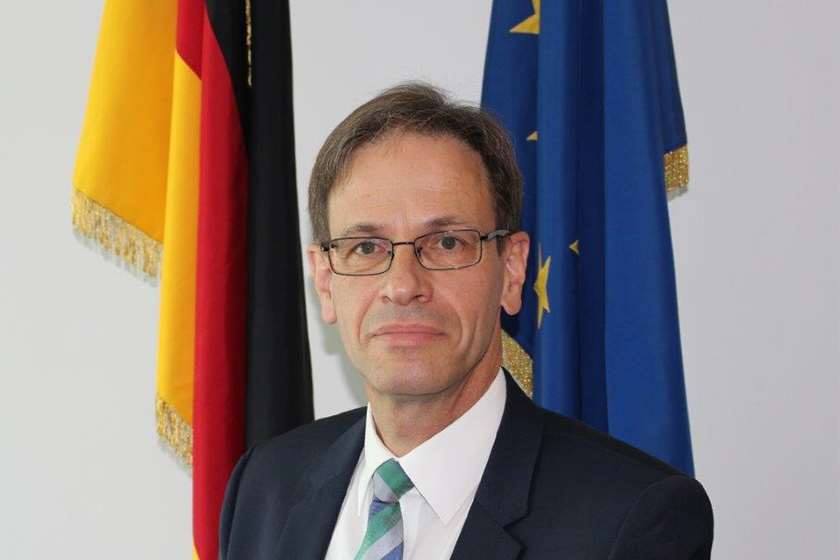
Hubert Knirsch: Germany has a leading role in the active cooperation in the framework of the Substantial NATO-Georgia Package
„Georgia has the potential to build a stable democracy and a market economy that works for all of its society. This is why there is no other country that sees an equal measure of Western presence and Western assistance“, - German Ambassador to Georgia said in an interview with ‘Europetime’. Hubert Knirsch spoke to ‘Europetime’ about relations between Germany and Georgia, the prospects of Georgia's accession to the European Union, and Germany's alliance on the path to Euro-Atlantic integration for Georgia. _Mr. Ambassador, thank you for the interview. First of all, how do you assess the Georgian-German relations? We are also interested in your assessment of the existing Association Agreement between Georgia and the EU, which includes the possibility of establishing free trade relations. To what extent has the country been able to adopt and use this resource? Georgia and Germany have many things that bind them together - as one example, I want to mention the tradition of Georgian students and scholars going to Germany, which continues very strongly in the present era and which is increasingly being reciprocated by Germans coming to Georgia. Our economic relations are already very good, and we focus on how to use their broad potential. The Association Agreement gives us a good framework for that, but it is for German and Georgian entrepreneurs and managers to identify opportunities and to set up concrete business projects. I see that Georgia is making progress in diversifying its exports. German cooperation helps to improve vocational education in Georgia, which I believe is necessary to boost economic opportunities in the country. _By 2024, Georgia plans to apply for EU membership. Do you think that the problems caused by the pandemic and the economic crisis could hinder the issue of EU enlargement? It is always good to have one´s eyes on the future, even in an acute crisis situation. To me, the immediate future will be filled with the work of bringing Georgia closer to the EU, in a practical and concrete way. This means approximating legislation, setting up administrative capacity that can apply rules and standards which are close to the European ones and also, not to forget, to increase trade, improve economic activity, raise the standard of living and social cohesion. All these things are necessary to bring Georgia forward on the European path. _In an interview with ‘Europetime’, the former commander of the US ground forces, Lieutenant General Ben Hodjes said that Germany should be the largest US ally, and that Germany's support for Georgia on the path to Euro-Atlantic integration is also important. What can you tell us in this respect? I was happy to meet General Hodges here in Tbilisi a while ago. This is a man who speaks out strongly in favor of Euro-Atlantic partnership, a friend of both Georgia and Germany. The cooperation with Georgia that he advocates is actually very strong, and a large number of NATO countries make active contributions to it. To a great extent, this takes place in the framework of the “Substantial NATO-Georgia Package”, in which Germany has a leading role. _If we look at the current processes in the region, as well as the domestic political processes, do you think that West should be more present in the region and should have a clearer position on a number of issues, particularly regarding Russia? It is an important foreign policy goal of Western countries to see a good development in all of Eastern Europe. The countries that have already joined NATO and the EU are examples of what is possible. And Georgia has the potential to build a stable democracy and a market economy that works for all of its society. This is why there is no other country that sees an equal measure of Western presence and Western assistance.
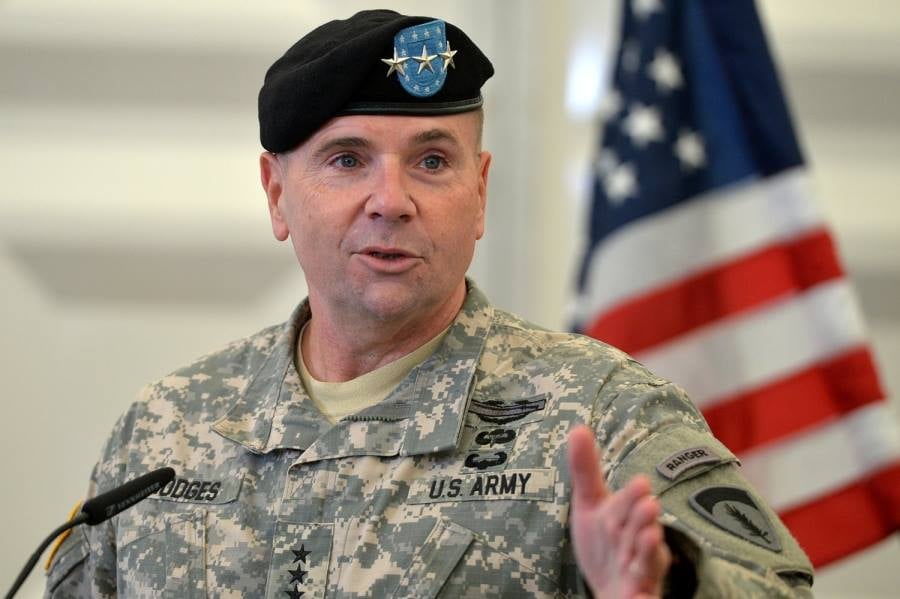
Ben Hodges: I do hope that Georgia`s opportunity to join Nato will be Accelerated and Biden administration will increase rotational forces in Georgia
In an exclusive interview with „Europetime“, Lieutenant General Ben Hodges, the former commander of US ground forces, summed up the results of the NATO Ministerial and said he hoped Georgia's integration into NATO would be accelerated, and under the Biden administration, the US would increase its rotational forces and infrastructure in Georgia. He also noted that he couldn’t imagine a strong NATO without Turkish participation, leadership and contribution. _General Hodges, The NATO Ministerial has now ended and as it’s become known that a new version of the substantial package has been approved for Georgia. That is, support is growing. How would you evaluate this decision? It was also said that the Allies will try to find more practical ways to help. Do you think this practical way would be Georgia’s immediate integration into NATO as you have already stated previously? I do hope that Georgia`s opportunity to join Nato will be Accelerated. This is important as it is a key part of the competition in the greater black sea region. When we show we care about a region we also need to find a way to gain the initiative in the black sea region. Offering map to Georgia and Ukraine will help do that. The Kremlin does not need provocation... It does what it wants and then tries to blame others... A continuous false narrative. Actually, it is better to be strong, to take the initiative... The Kremlin only respects strenghth and despises weakness. _In an interview with „Europetime“, you have repeatedly stated that it is time for the West to become more active in relation to Georgia and the region in general. The events of Karabakh have made the need for this even more obvious. In your opinion, if the issue of granting a Map to Georgia is really on the agenda, will it be a kind of „awakening“ for the West? What Would be more of an awakening for the west, would be for Georgia to take the necessary steps to make itself much more attractive to international private investment... Getting large business investment from Germany, Netherlands, France, UK and the US will cause those nations to pay much closer attention to Georgia`s security...And of course that`s the last thing the Kremlin wants to see. _You stated that Turkey should be the main strategic partner for US in the region. Given the balance of power in the region after Karabakh Peace Deal and the fact that Turkey is a NATO member, do you think it is time for Western cooperation with Turkey to become even more intensive? Yes of course... I don`t even want to imagine NATO without strong turkish participation, leadership and contributions... We have to rebuild trust between our nations as well as between Turkey and Europe. _In your opinion, will the US-Georgia bilateral relations move to a more important stage under the Biden administration, in particular, will the US increase its rotational forces and infrastructure in Georgia? I hope so. I do believe that the Biden administration wil be firm in dealing with the Kremlin and that it will see the black region as strategically important... I`m anxious to see who will be our new secretary of defence and who will fill the second and third tier positions within dept of state and dept of defence... Those will be important signals about which direction the Biden administration will take. _In your opinion, will the issue of the Anaklia Project be raised, especially since the foreign ministers of NATO member states are discussing the issue of Black Sea security? This is such an important project...And I`m disappointed that the govt of Georgia has thus far prevented or at least is has not helped with this development... If the govt of Georgia really wanted this port then it would be under construction. I think that there is too much Kremlin influence here. _To sum up Pompeo's visit, do you think this visit contained more of a message that America is here and has not gone from the region? We have great diplomats who work in our embassy in Tbilisi... And they need the support of the secretary of state...So visits are important. But we have to do this on a consistent basis. _The new configuration and balance of power make the fate of the important transit corridor in Karabakh that connects Europe with Eurasia unclear. What role can Turkey play here as a NATO member? I hope that Turkey will Find a way to ensure that these Russian `piece keepers` in N-K are not there for long. I suppose that`s a possibility. I`d like to see Turkey open its border with Armenia as a sign of good will, to provide economic relief, and to help demonstrate its role in protecting Armenian citizens. Armenia Should Seriously reconsider its reliance on the kremlin for its security... It was clear from the beginning that the Kremlin was going to allow Armenian forces to be crushed in N-K... and they were not prepared militarily. Yes Armenia still allows Russian troops to be based there. Armenia needs a much more reliable friend. Perhaps the USA and Turkey and Georgia can help there.
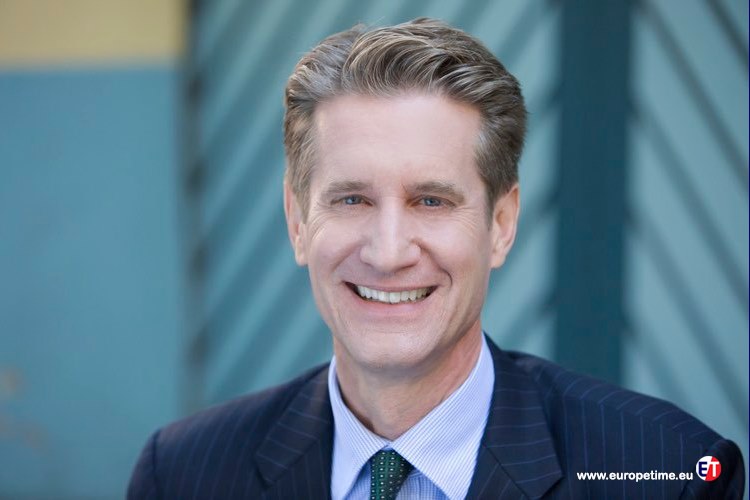
It is a shame that the US government failed to play an active role in ending the Nagorno-Karabakh conflict, Matthew Bryza says
"The agreement reached to end Nagorno-Karabakh definitely shows the sign of a lack or much lower US level of activity and interest in the South Caucasus," Matthew Bryza, a former US Deputy Assistant Secretary of State for Europe and Eurasia, said in an exclusive interview with "Europe Time". He recalls the period of working at the White House when he spent a long time preparing the background information and talking points for President George W. Bush's meeting with the leaders of Azerbaijan and Armenia, Robert Kocharian and Heydar Aliyev. Bryza says that then the issue could not have been resolved without the US, and it is a shame now that the United States has failed to play an active role. According to him, during the clashes between Azerbaijan and Armenia in July, it was clear that the United States and France were not going to play an active role in helping to bring down tensions between the two sides. As Matthew Bryza said, these countries were not fully active. As a result, Russia and Turkey took over the role. In the end, it was decided that peacekeeping forces from Russia and Turkey would be deployed on the ground-a fact that the American diplomat called very important, for he believes that Turkey, as a NATO member and NATO’s second-largest army, on Azerbaijani territory, will help to counterbalance Russia. The Nagorno-Karabakh Peace Agreement, which was signed on November 10, is based on principles proposed by the Minsk Group in 2007. He said the United States, Russia, and France helped Azerbaijan and Armenia in the negotiation process, which had been preliminarily agreed upon by their leaders, but subsequently, they had failed to finalize all the details of the basic principles. As a former spokesman for the Bush Administration stated, the version of this agreement provided for the return to Azerbaijani control of all seven Azerbaijani districts surrounding Nagorno-Karabakh that Armenia was then occupying; in exchange, Armenia would gain an "interim legal status" and eventually a final legal status that would be determined by a vote of the residents of Nagorno-Karabakh. Bryza noted this could not and would not have happened without US participation in the past.".. But it is a shame the US is not active now, in the present, in mediating the Nagorno-Karabakh conflict. " In an interview with Europe Time, Matthew Bryza mentioned Mike Pompeo's visit and said that the United States’ message is to help strengthen Georgia's democracy at the same time. He believes that the government, opposition, and NGOs should work together in this direction. During Mike Pompeo's visit, US Ambassador to Georgia, Kelly Degnan, explained to journalists why the Secretary of State did not meet with the opposition. She said that everyone, in particular the opposition, needs to do hard work after being elected to participate in parliamentary life and focus on the reforms they want to work on, especially on electoral reforms. As the Ambassador noted, the Secretary of State believes that it is important to use the mechanisms of democracy that exist and work on their improvement. The latter is the most important factor for US officials. According to Matthew Bryza, both US Ambassador Kelly Degnan and Secretary of State Mike Pompeo realize that the latter's decision not to meet with the opposition was quite unpopular with the Georgian opposition. It was like Mike Pompeo was meeting with NGO leaders. He added, however, that the stay of Deputy Assistant Secretary of State Philip Reeker in Tbilisi to meet the opposition was a particularly important step, as was Mike Pompeo's meeting with Georgian NGO leaders. To summarize, the message from the United States is to help strengthen Georgia's democracy. America believes that the government, the opposition, and NGOs should work together in this direction. I don’t know what the purpose was of Secretary Pompeo’s visit to Georgia, but I always think, under all circumstances, it is great for the US Secretary of State to visit Tbilisi to underscore that despite the political crisis and the deep polarization between the opposition and the government, the United States wants to help the Georgian people strengthen their democratic institutions. At the same time, the visit underscores the United States' enduring support for Georgia's efforts to deepen its ties to NATO, "the US diplomat said.
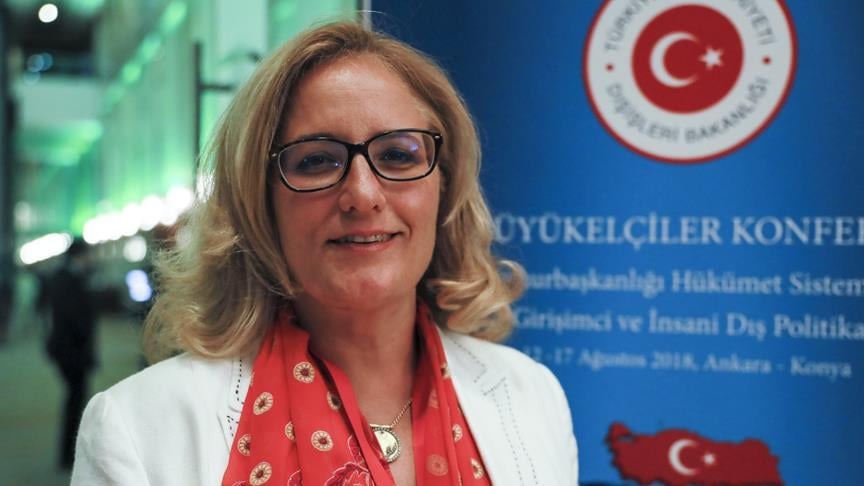
Ambassador of Turkey to Georgia: Georgia is a Strategic Partner to Turkey and we Fully Support Its Current Efforts to Join NATO
The hostilities between Armenia and Azerbaijan ceased upon reaching an agreement between both nations. In accordance with the agreement, Armenia was mandated to hand over territories beyond Nagorno-Karabakh to Azerbaijan. These territories which used to be under the control of Armenian forceswould be vacated for Russian peacekeepers, in a bid to secure the area which used to be a conflict zone. Furthermore, Armenia agrees to stay clear of the road construction connecting Nakhichevan to Azerbaijan.Baku also agreed to deploy Russian peacekeepers in the region, while the Russian army will control the road that will connect Armenia through Azerbaijan from Lachin region to Nagorno-Karabakh. The President of Armenia Nikol Pashinyan, agreed to create a transit corridorfor Azerbaijan in order to allow for safe connection to its enclave in Nakhichevan. This corridor will also be under Russian surveillance. Ilham Aliyev, the President of Azerbaijan was quoted to say, “Russia and Turkey will be deployed in peace center of Nagorno-Karabakh”, and this is clearly highlighted in the Agreement with the clear definition of the role of Turkey in the “Joint Peace Monitoring Center”. “EuropeTime” spoke to the Turkish Ambassador to Georgia, Fatma Ceren Yazgan about the role of Turkey as member of NATO in the Nagorno-Karabakh situation, other current situations and processes in the region, as well as,the Turkish-Georgian relations. The NK issue is a permanent source of instability in the region. Turkey, in accordance with the UNSC resolutions 822, 853, 874 and 884, has been calling on Armenia to end its occupation of internationally recognized Azerbaijani territories for nearly 30 years. The ceasefire is a promising step and can pave the way for a lasting solution. We believe that stability in the region will benefit Armenia too. These regional developments are however not a source of concern for the bilateral relations between Turkey and Georgia.“Turkey perceives Georgia as a true strategic partner. Turkey has always advocated for Georgia’s inclusion into the NATO. We will continue to support Georgia’s Euro-Atlantic integration aspirations, especially its ongoing efforts for NATO membership”, Ambassador of Turkey to Georgia, Fatma Ceren Yazgan affirmed. "At the request of Azerbaijan, we agreed to monitor the ceasefire. We have signed a Memorandum of Understanding with Russia, which will ensure the presence of Turkish troops in the joint peace center”. The Ambassador further stressed.“Turkey, as the only NATO member country in the region, has been a NATO member state since 1952 and has always supported cooperation between the Alliance and South Caucasus states including Armenia. Neither Turkey’s membership to NATO, nor our support to NATO’s partnership with our neighbors are new.” Fatma Ceren Yazgan continued in his explanation of Turkey's support for States in the Caucasus region. When pressed about our interview with General Ben Hodges, where he highlighted Turkey as the biggest ally of the West on the Euro-Atlantic path, and he suggested that it would be good if the USA would increase its infrastructure and rotational forces. The Turkish Ambassador submitted that“ It is Georgia's own business and concerns bilateral relation between Georgia and US.”
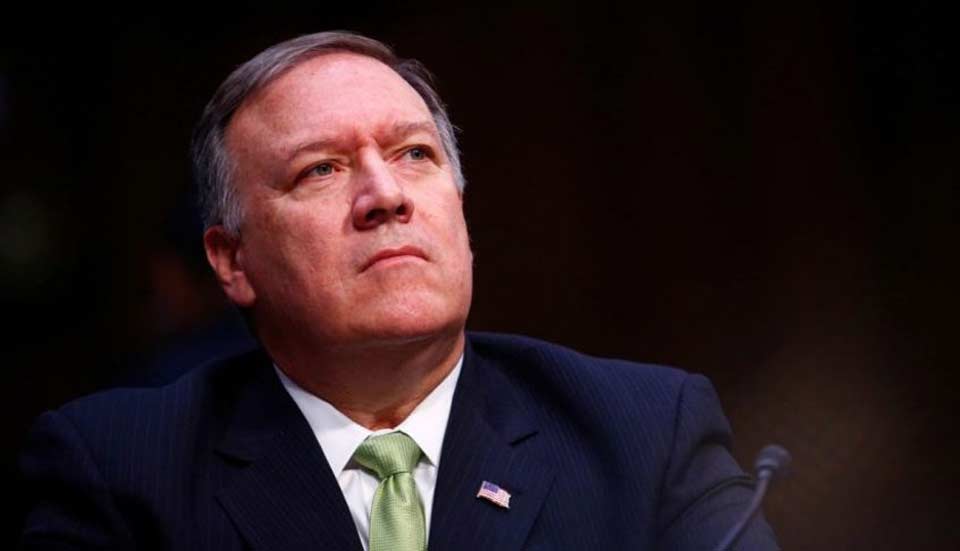
Georgian experts to Mike Pompeo: Establish a Permanent Representation of the US Armed Forces in Georgia
US Secretary of State Mike Pompeo was addressed with open letter from experts on security and foreign policy issues, stating initiative about establishing of permanent US military mission in Georgia. As claimed by them, this will bring Georgia even closer to NATO membership. The letter is presented invariably: Dear Mr. Secretary, We, the representatives of the security and foreign policy community of Georgia, sincerely welcome your visit to Tbilisi during these heated times. We are united in our desire to share our views on advancing the U.S.-Georgia defense and security partnership. For Georgia, the United States is a vital ally. Likewise, we believe in Georgia’s share in bolstering Western interests in Europe and globally. Georgia stands as a keystone for securing our allies’ foothold in the East-West Corridor, which multiple U.S. administrations have invested so much to build. We see a U.S.-led Euro-Atlantic system as the only guarantor of a Europe that is whole, free, and at peace. In recent years, the South Caucasus and the Black Sea regions have become areas of geopolitical instability. Most of these security risks stem from Russia’s ambitions to reconstitute a Soviet-era “sphere of influence,” in what Moscow perceives as its “Near Abroad.” Emboldened by its freedom of action, Russia recently deployed troops to Nagorno-Karabakh to enhance its regional military posture. Since regaining independence, the freedom-loving citizens of Georgia have toiled to create a functional democracy. In this project, the United States has been an indispensable ally by elevating Georgia to, in the words of President Ronald Reagan, a “Shining City Upon a Hill” that has overcome state failure and successfully battled the Soviet legacy of corruption. The Georgian people do not take genuine American friendship for granted. Over 90 percent of Georgians hold a favorable view of the U.S. and Georgian soldiers have proudly served in the U.S.-led missions in Iraq and Afghanistan. We express our profound appreciation for America’s strong support to Georgia’s sovereignty and territorial integrity. We believe that a key step forward to support the Georgian people in our struggle for freedom, while advancing U.S. regional and global interests, would be: A permanent presence of American armed forces in Georgia. Such a policy may include allied (U.S./European) forces on a rotational basis, as well as logistical and air patrolling elements that would provide a wide range of options for American and allied forces to operate uninterrupted in the South Caucasus and Black Sea regions. At the same time, the U.S. military presence in Georgia would enjoy overwhelming popular support, deter imminent threats and help Georgia move closer to NATO membership.At this point, Georgia’s capacity to meaningfully contribute to our strategic partnership will be further enhanced by the resilience and vibrancy of its democratic institutions. In this light, we welcome the valuable U.S. engagement in mediating a solution to Georgia’s current political crisis. We are likewise grateful for the momentous and sustained efforts that the U.S. has made over the years, to help strengthen Georgia’s democracy. We fully support the process of strengthening the U.S.-Georgia alliance, inclusive of the presence of the U.S. military on the ground, to the benefit of shared Euro-Atlantic security. Sincerely, Sincerely, Zviad Adzinbaia International Security and Digital Diplomacy Fellow, The Fletcher School, Tufts UniversityFounder, LEADx Change Eka Akobia Dean, Associate Professor, The School of Governance, Caucasus University Irakli Alasania Former Minister of Defense, Former Ambassador to the United Nations Irina Arabidze National Security and Foreign Policy Analyst Phikria Asanishvili Associate Professor of International Relations, Tbilisi State University Giorgi Astamadze Doctoral Candidate in History, University of Karlsruhe Nato Bachiashvili Chairperson of International Centre for Geopolitical Studies Giorgi Badridze Senior Fellow, Georgian Foundation for Strategic and International Studies (Rondeli Foundation) Former Ambassador to the United Kingdom of Great Britain Zurab Batiashvili Research Fellow, Rondeli Foundation Zaza Bibilashvili Chairman, The Chavchavadze Center for European Studies and Civic Education Levan Bodzashvili Former Deputy National Security Assistant to President Former Deputy Foreign Minister Eto Buziashvili Research Associate, Atlantic Council Former Adviser to the National Security Council Mikheil Darchiashvili Former Deputy Defense Minister Member of the Governing Board, Atlantic Council of Georgia Davit Darchiashvili Professor, Director, Center for Russian Studies, Ilia State University Jaba Devdariani Founder, the United Nations Association of Georgia & Civil.ge Paata Gaprindashvili Director, Georgia’s Reforms Associates Former Ambassador to Austria Kakha Gogolashvili Director of European Studies at Rondeli Foundation (GFSIS) Giorgi Goguadze Assistant Professor of International Affairs, Caucasus University Tornike Gordadze Former Minister of European and Euro-Atlantic Integration of GeorgiaProfessor, Paris Institute of Political Studies (France) Giorgi Gvalia Professor of Politics and International Relations, Ilia State University Shota Gvineria Senior Fellow, Economic Policy Research Center, Former Ambassador to the Kingdom of the Netherlands Gia Japaridze Senior Fellow, Ilia Chavchavadze Center for European Studies and Civic Education. Former Charge d’Affaires to Portugal and Cyprus Tedo Japaridze Former Ambassador to the United States, Former Foreign Minister Nino Kalandadze Director, The Chavchavadze Center for European Studies and Civic Education Nodar Kharshiladze Founding Director, Georgian Strategic Analysis Center Former Deputy Minister of Defense Tinatin Khidasheli Chairperson, Civic Idea Former Minister of Defense Beka Kobakhidze Chair, MA Program in Modern History of Georgia, Ilia State University Batu Kutelia Vice-chair, Atlantic Council of Georgia Former Ambassador to the United States Khatuna Lagazidze Senior Fellow, Georgian Strategic Analysis Center Former Senior Advisor to the National Security Council Ekaterine Metreveli President, Georgian Foundation for Strategic and International Studies (Rondeli Foundation) Grigol Mgaloblishvili Former Ambassador of Georgia to NATO Khatuna Mshvidobadze Professorial Lecturer, The George Washington University Senior Fellow, Senior Fellow, Rondeli Foundation Giorgi Muchaidze Executive Director, Atlantic Council of Georgia Sophia Petriashvili Former Associate Professor of International Relations, Tbilisi State University Alex Petriashvili Former Minister for European and Euro-Atlantic Integration Former Ambassador to Turkmenistan and Afghanistan Tengiz Pkhaladze Associate Professor, Georgian Institute of Public Affairs Former Foreign Policy Advisor to the President Mirian Popkhadze Fellow, Foreign Policy Research InstituteFormer Representative of Ministry of Defense to the United Nations Irakli Porchkhidze Vice President, the Georgian Institute for Strategic Studies (GISS) Datuna Rakviashvili Secretary, National Security Council, 2016 – 2018 Giorgi Rukhadze Senior Fellow, Georgian Strategic Analysis Center Tornike Sharashenidze Professor of International Affairs, Georgian Institute of Public Affairs Vasil Sikharulidze President, the Atlantic Council of Georgia; Former Ambassador to the United States Tornike Turmanidze Professor of International Relations, Tbilisi State University Gela Vasadze Regional Program Manager, Georgian Strategic Analysis Center Temuri Yakobashvili Ambassador of Georgia to the United States (2010-2013)
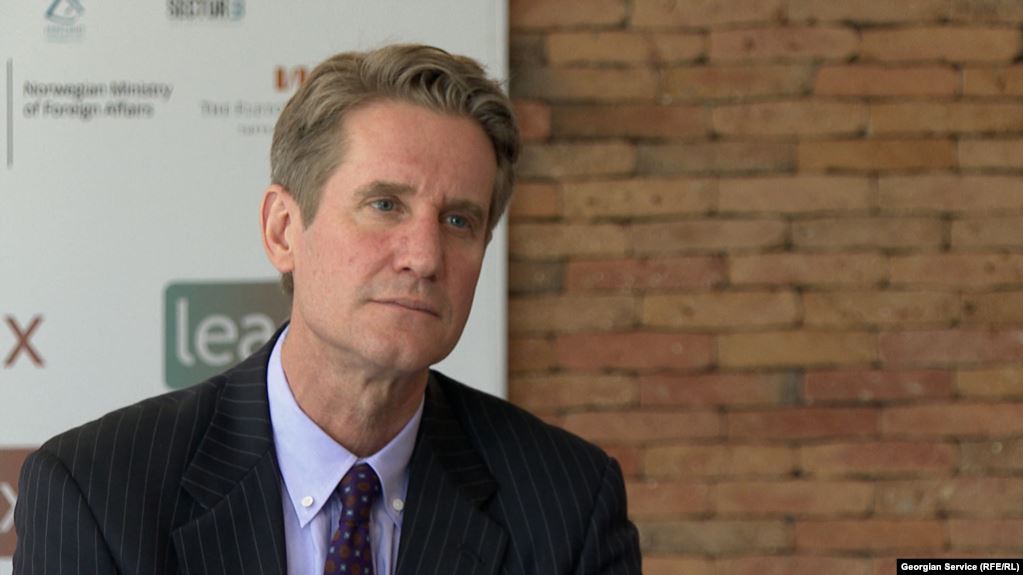
Georgia should be a member of NATO. The country has fulfilled all the criteria, Matthew Bryza says
Georgia held its 2020 parliamentary elections on October 31, but political processes have continued in the country despite opposition protests. November 3 was a crucial day in the U.S. It is expected that today it will be clear who will become the president of Georgia's strategic partner country. Statements about "stolen elections" are made both in Georgia and in the United States. The current President of the United States, Donald Trump, was chastised by OSCE representatives for claiming that "fraud had occurred during the voting process." Trump supporters encouraged by this rhetoric may see violence as a legitimate weapon," said the head of the OSCE International Election Observation Mission in the US presidential election. Based on the latest data, Joe Biden's staff is confident of victory. We asked former U.S. Deputy Assistant Secretary of State for Europe and Eurasia, Matthew Bryza, about the foreign policy visions of both presidential candidates [Trump and Biden]. Matthew Bryza also spoke with Europatime about Georgia's domestic political processes and American investment. Matthew Bryza: President Trump has never been a big fan of NATO. He is not a fan of working with allies. He has chosen a highly combative policy towards Iran, China, and North Korea. He is not really focused on a strategic approach to the South Caucasus region. As for Joe Biden, he is a strategic thinker. He has a different approach—he is well aware of Russia's aggressive aspirations in the South Caucasus and the Black Sea region. He was appointed by President Obama to lead the Ukraine issue after Russia invaded Ukraine and annexed Crimea. He is a deep believer in the importance of NATO and considers it extremely important to solve problems together with the Allies. I think, unlike Trump, Biden will not choose the path of confrontation—I think he will not be friendly with North Korea, but he will not be confrontational. _How would you assess the parliamentary elections held in Georgia and the decision of the opposition to refuse to enter Parliament? I read the statement of the U.S. Embassy and the OSCE/ODIHR assessments that Georgia’s parliamentary elections were competitive and, overall, fundamental freedoms were respected, although there were some shortcomings that need to be addressed. The opposition has chosen such a form of protest. This is understandable, but I think it is better if political leaders fight for the interests of the electorate in parliament. It is not good that the opposition chooses the path of the boycott. -It is important for Georgia to develop ports and attract more American investment. What is your opinion on the Anaklia Deepwater Port project? It is also known that the American company Trammo is building a terminal for mineral fertilizers in the port of Batumi. According to the project, a logistics corridor will be established in the Black Sea port from Central Asia via Azerbaijan and Georgia. What is the significance of this project for Georgia and what should the government do to attract more direct investment from the United States? In my opinion, it is an important project. In any case, in order to attract more American investment, the Georgian government needs to further improve the investment climate. Unfortunately, the cancellation of the Anaklia project was extremely negatively perceived in Washington. It is important that the government of Georgia clearly states that its goal is to strengthen the investment environment and respect legal agreements between commercial entities and companies. Georgia has very good relations with the United States. It is a NATO aspirant country, and in the United States, many people want Georgia to be a member of NATO. Georgia should be a member of NATO; the country has fulfilled all the criteria. As for focusing on the investment environment, I am confident that the Georgian government can do that. -As you stated in one of your interviews, it would be a pity if Georgia did not participate in the regional digital hub project. I mean a project on which the Azerbaijani company Aztelecom is working. One of the key components of this project is the fiber-optic cables of the Caucasus Online. What are your expectations for the future of this project as well as the Anaklia project? I do not know what will happen in the future. As for the digital hub project in general, if an efficient, fast, fiber-optic network goes directly to Tbilisi, large digital centers may be placed in Tbilisi. As a result, the fact that this project did not proceed is a major failure. This was also perceived negatively both in the U.S. and Brussels. But I hope the Georgian government will find ways to implement this project.